

How to build self-worth when positive thinking isn’t enough
Here’s something nobody tells you about self-worth – thinking about it doesn’t build it.
If you’re trying to figure out how to build self-worth, the answer isn’t more positive thinking, more affirmations, or more vision boards. It’s evidence. Small, repeated actions that quietly prove to your brain that you’re worth showing up for.
That’s it. That’s the whole thing.
The problem is most of us are trying to think our way there. We want to feel worthy first, and then we’ll act like it. But that’s backwards. The feeling comes after the action, not before. So if you’ve been waiting to feel ready, feel confident, feel like you finally deserve more – this post is for you.
Related reads
- 12 quick self-worth exercises to strengthen your self-worth
- From self-doubt to self-trust: Why small promises build real confidence
- Confidence and self-worth: How to believe you’re enough (even when you doubt yourself)
- How to stop comparing yourself to others and start thriving in your own life
- Self-worth exercises that don’t require you to “love yourself” yet
What self-worth actually means
People use self-worth and confidence like they’re the same thing. They’re not.
Confidence is the belief that you can handle something. It’s skill-based. It grows when you practice things, do things, get better at things. It goes up when you nail the presentation. It dips when you freeze up in conversation.
Self-worth is different. Self-worth is the belief that you matter even on the days everything goes wrong. Even when you’re not impressive. Even when you make a mess of things.
According to Positive Psychology, self-worth is the intrinsic belief in your own value, independent of outside success or validation.
Confidence is what you build. Self-worth is what you protect.
When you mix them up, every bad day becomes a verdict on your value. Every mistake confirms the story that you’re not enough. That’s exhausting to live inside of.
The meaning of self-worth is simpler than people make it: it’s your baseline belief that you deserve to take up space – not because of what you’ve accomplished, but because you exist. And it’s not something you arrive at once. It’s something you practice on ordinary Tuesdays when nothing particularly impressive is happening.
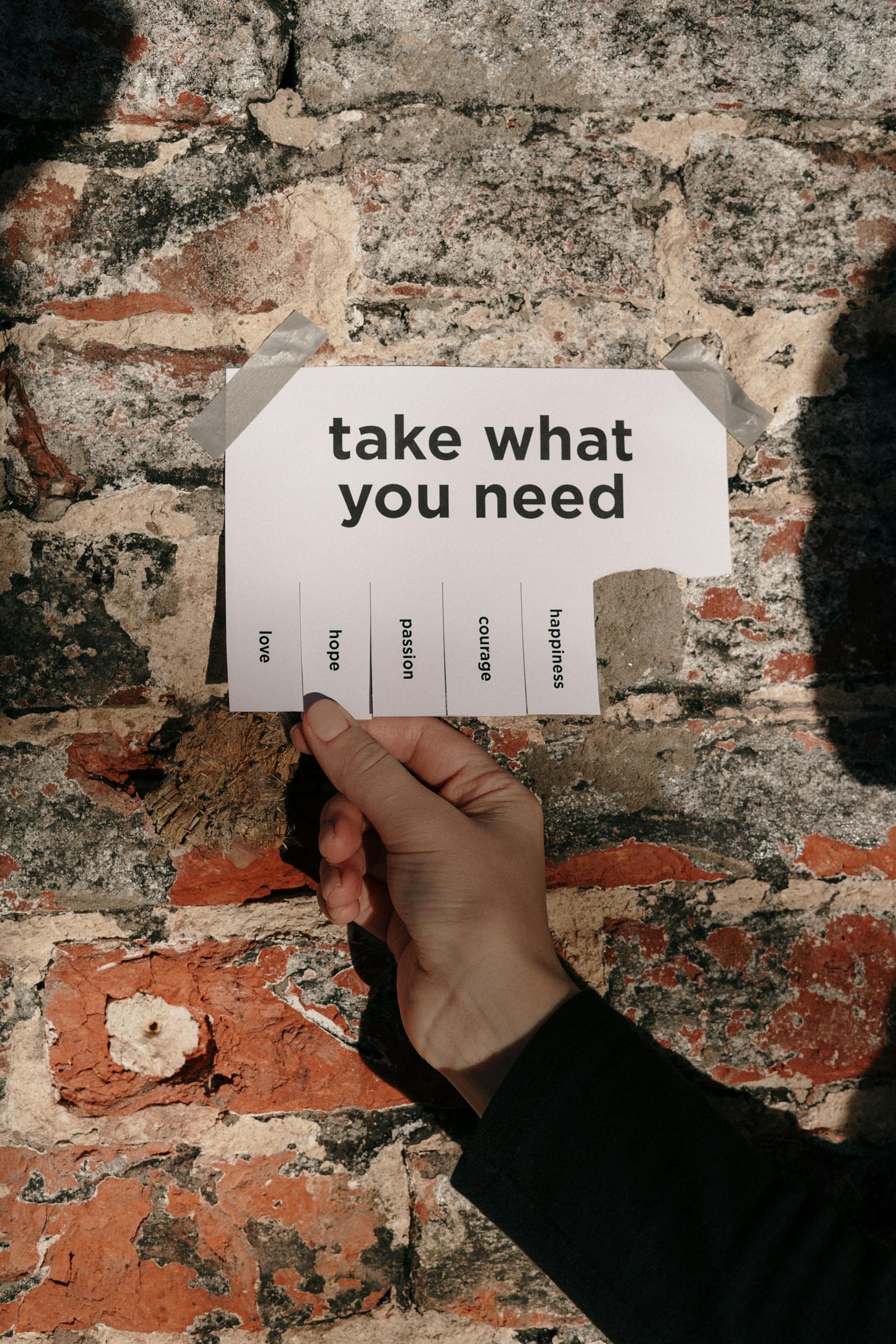
Why self-worth feels so shaky
Low self-worth doesn’t come from nowhere. It gets trained into you.
Maybe you grew up in an environment where love felt conditional. Where you had to be good, easy, high-achieving to feel safe. Maybe you became a people-pleaser because keeping others comfortable was the safest way to be loved. Maybe perfectionism took over because if everything was flawless, no one could reject you.
Maybe you’ve spent years [comparing yourself to others](internal link) who seem to have it together, and the gap between them and you has started to feel like evidence of something.
All of that plants a quiet belief: I have to earn my place. When I’m good enough, healed enough, successful enough – then I’ll deserve to take up space.
But that “enough” line keeps moving. Because it was never real.
Proof over pressure: The real way to build self-worth
Stop trying to convince yourself you’re worthy. Start collecting evidence that you’re worth showing up for.
Every time you keep a small promise to yourself, your brain gets a data point: she follows through. Every time you speak to yourself with basic respect, your brain notices: she’s worth being kind to. Every time you protect your energy, set a small boundary, finish what you said you’d finish – another piece of proof.
This is what building self-worth looks like. Not dramatic transformation. Just consistent, unglamorous action that stacks up over time. Making your bed. Replying to the email. Saying no to the thing that would’ve drained you. Not apologizing for having a need.
Nobody sees it. But your brain does.
Building self-worth activities that actually create belief
These work not because they feel good in the moment, but because they create real evidence. Pick one. Start there.
Keep small promises to yourself. Pick something so small it feels almost ridiculous. Drink a glass of water before coffee. Make your bed. Write three sentences. Take a ten-minute walk. Do it today. Then do it again tomorrow. Every time you follow through, you’re proving: I can count on me. That’s how self-trust builds, not in grand gestures, but in boring, repeated follow-through.
Finish one thing. All those unfinished things? They’re quietly working against you. Half-done tasks sit in the back of your mind whispering that you don’t follow through. Pick one small thing today – reply to that email, finish the paragraph, fold the laundry that’s been sitting there. Finish it all the way. Let yourself feel that.
Track what you’re actually doing. If you’re like most people, your brain is basically a highlight reel of everything you messed up. Let’s change that. At the end of the day, write down three things you did. Getting out of bed counts. Making the call counts. Sending the email counts. Saying no once counts. The point is to train your brain to notice the evidence it usually skips right past.
Speak to yourself like you’d speak to a friend. Not with fake positivity. Just basic, honest kindness. When the harsh thought comes – I’m so stupid, I can’t believe I did that – catch it. Rewrite it. That was a hard moment. I’m learning. That’s enough. If you wouldn’t say it to someone going through something difficult, don’t say it to yourself. I used to end every day replaying the three things I did wrong. It took me way too long to realize I was training my brain to only look for evidence against me.
Do one hard thing in a small way. Every time you avoid something, your brain logs: she can’t handle this. Every time you step toward something hard, the log changes. Send the email you’ve been putting off. Start the document. Say the first sentence of the conversation you’ve been dreading. The whole thing doesn’t have to happen today. Just the first step.
Take care of your space. This sounds too small to matter. It’s not. When you tidy your environment, even one corner of one room, you’re doing something your future self benefits from. That’s self-worth in action. It says: I matter enough to live in a space that supports me.

Self-worth habits that hold up over time
Consistency beats intensity. Doing something small every day beats doing something huge once a week. Your brain responds to repetition, not performance. Five minutes of journaling every morning for two weeks builds more self-trust than a three-hour self-development weekend.
Keep promises you can actually keep. Grand declarations you immediately break are one of the biggest saboteurs of self-worth. Start with one thing. One small, realistic thing. Keep that promise. Then build from there.
Rest without earning it. Rest is not a reward for being productive enough. It’s part of being someone who takes care of themselves. Every time you rest without guilt, you’re practicing self-worth.
Stop explaining yourself so much. Notice how often you justify, over-apologize, and explain your choices. You don’t owe people an essay for every decision you make. Cutting the explanations is a quiet act of self-worth and it starts to add up faster than you’d think.
What it actually looks like day to day
It’s not dramatic. That’s the part most people don’t expect.
It looks like catching a harsh thought and not letting it spiral. Pausing before saying yes to something you don’t want. Finishing the thing even though it’s not perfect. Speaking up once where you’d normally go quiet.
Small wins nobody else notices.
And then one day you realize you’re recovering from hard things faster. That you’re not apologizing as much. That something someone said last year would’ve completely unraveled you, and now it just stings for a moment and passes.
That’s self-worth growing. Not in a flash. In layers.
The mistakes that keep self-worth stuck
Trying to think your way into it. Awareness is the starting point, not the destination. The proof has to come from what you do, not what you contemplate.
Making the habit too big. If the action requires discipline you haven’t built yet, it’ll fail. Start smaller than feels necessary. Prove yourself right. Then add to it.
Using self-worth work as pressure. If this has become another thing to be perfect at, dial it back. The whole point is to be kinder to yourself — and that includes how you approach the work.
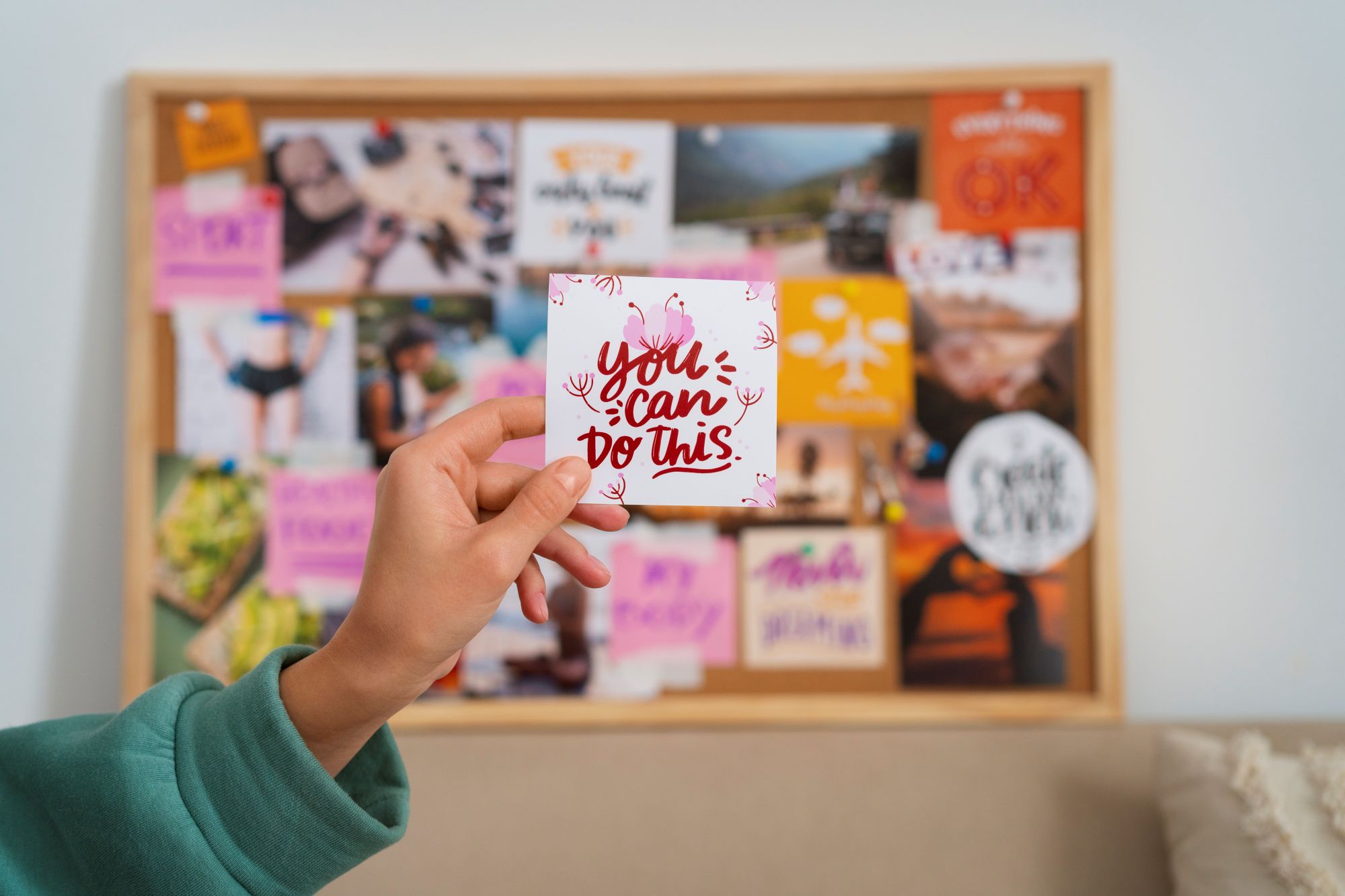
How to start building self-worth today
Knowing how to build self-worth starts with one small promise you keep today. Not a plan. Not a full overhaul. One thing.
Make the promise. Keep it. Then do it again tomorrow.
Notice what you did, not just what you didn’t. Speak to yourself like you’d speak to someone going through something hard. Start with one small act of self-respect and notice what shifts over the next week.
That’s how self-worth gets built. Not in the moment you decide to change. In the small, specific, repeated actions that follow.
Ready to go deeper?
The Self-worth bundle gives you four workbooks. Each takes you through 30 days of practical exercises, reflection prompts, and action-based practices built around exactly this – collecting real evidence of your worth, not just thinking about it. If blog posts aren’t enough and you’re ready for a structure that actually keeps you moving, it’s there for you.
Questions people ask about building self-worth
What is self-worth? Self-worth is your baseline belief that you matter – not because of what you’ve achieved or how you look or what you’ve earned, but simply because you exist. It’s different from confidence, which goes up and down depending on how you perform. Self-worth is the thing underneath that stays steady, or should.
How do you build self-worth? Through repeated small actions that prove to yourself you’re worth showing up for. Keeping promises you make to yourself, speaking to yourself with basic respect, finishing what you start, setting small boundaries, resting without guilt. It’s not a mindset shift – it’s a practice.
Can self-worth improve over time? Yes. And it usually doesn’t happen in one big breakthrough. It builds in layers – through consistency, through catching the harsh thought one more time than you did last month, through choosing yourself in tiny ways every day until it stops feeling like a choice and starts feeling like who you are.
What are some simple self-worth activities to start with? Start with one of these: make your bed, finish one task you’ve been avoiding, write down three things you actually did today, or speak to yourself kindly after something goes wrong. The size of the action matters less than the fact that you follow through. That follow-through is the evidence your brain needs.