
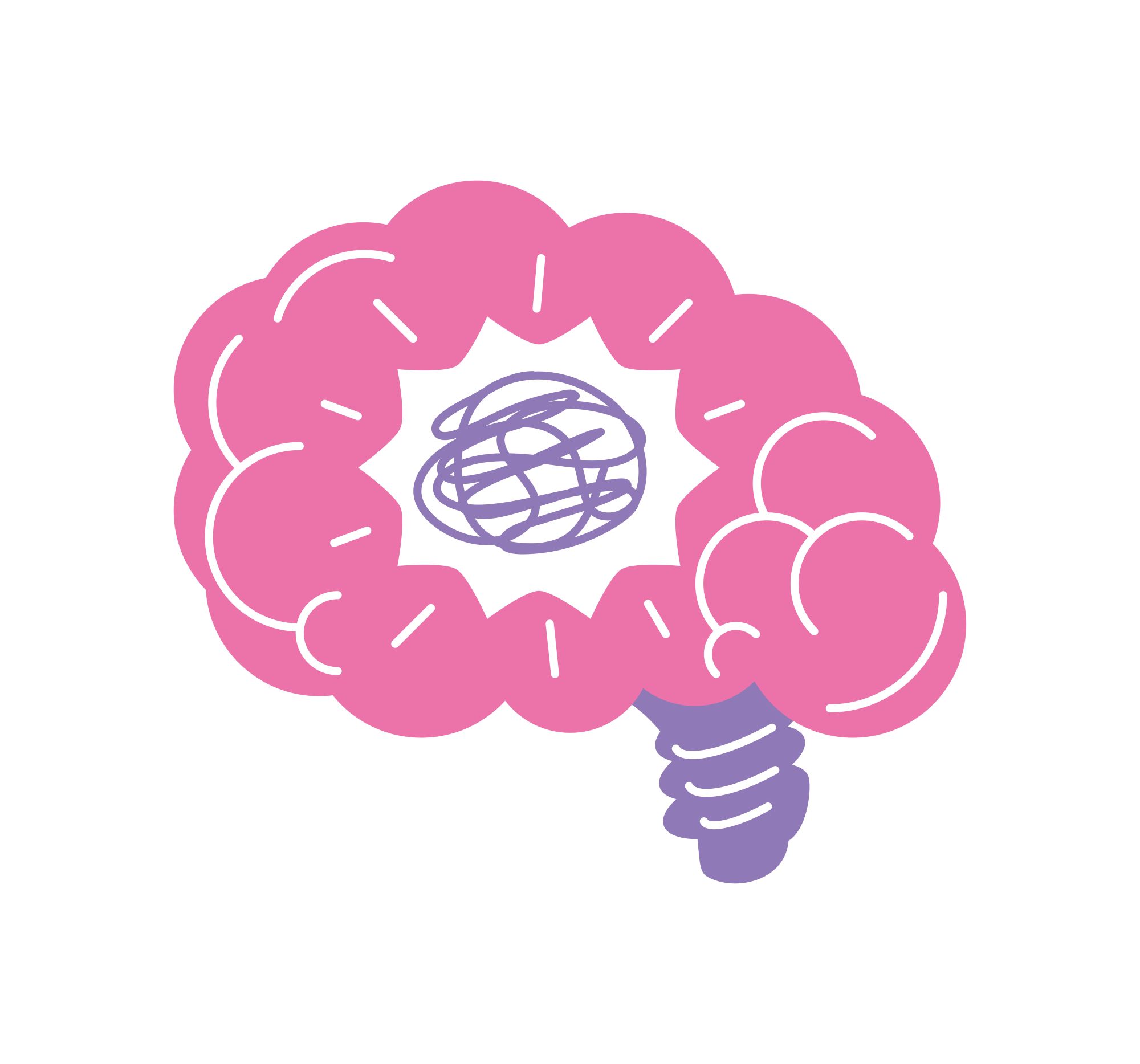
Why your brain focuses on the negative (and the one practice that actually rewires it)
You walk into your kitchen in the morning and immediately notice the dirty dishes from last night. The coffee stain on the counter. The fact that you forgot to take out the trash again.
Meanwhile, you completely miss that you meal-prepped yesterday when you didn’t feel like it. That you actually remembered to water your plants for the first time in weeks. That you went to bed at a reasonable hour instead of scrolling until 2 AM like you used to.
Sound familiar?
Your brain is like a detective that only investigates crimes – especially when it comes to your self defeating thoughts. It will find the one thing that went wrong in a sea of things that went right. It will take a mediocre day and turn it into evidence that your entire life is falling apart.
And the worst part? You probably think this is just how you are. That some people are naturally positive and you’re just not one of them.
Here’s what’s actually happening: Your brain has been training itself to focus on the negative for years, maybe decades. And every single time you automatically notice what’s wrong, you’re strengthening that neural pathway. You’re literally teaching your brain to get better at seeing problems.
The good news? You can train it to do the opposite. Not through forced positivity or pretending problems don’t exist, but through one specific practice that actually changes how your brain processes information.
Related reads
- The positive thinking guide: Stop seeing problems everywhere
- 7 reframes that turn your inner critic into your biggest supporter
- The real reason you’re hard on yourself (and how to stop)
- Your inner cheerleader: Creating an inner voice that empowers you
- Everyday habits that reinforce negative self-talk and how to break them
Why your brain is obsessed with finding problems
Your brain has something called a negativity bias. It’s hardwired to notice threats, problems, and what’s wrong because that’s what kept your ancestors alive.
The person who noticed the rustling in the bushes survived. The person who was too busy appreciating the sunset got eaten by a predator.
So your brain learned: Pay attention to danger. Focus on what could go wrong. Scan for threats constantly.
Except now you’re not being chased by predators. You’re sitting at your desk, and your brain is treating an unanswered email like it’s a life-or-death situation.
Your brain doesn’t know the difference between “there’s a lion in the bushes” and “my boss hasn’t responded to my message for three hours.” Both get flagged as potential threats that need your immediate attention.
This is why ten things can go right in your day and one thing can go wrong, and that one thing is what keeps you up at night. Your brain treats it like it’s more important than everything else combined.
A single critical comment outweighs twenty compliments. One mistake makes you forget everything you did well. A friend taking longer than usual to text back becomes proof they don’t care about you anymore.
Your brain isn’t trying to make you miserable. It thinks it’s protecting you. But what started as a survival mechanism has become a mental prison where you’re constantly cataloging everything that’s wrong, broken, or not good enough.
Research shows this negativity bias is hardwired into how our brains process information – negative experiences register more intensely than positive ones, which is why one criticism can outweigh twenty compliments.
What if your brain gave positive moments the same attention it gives negative ones?
Close your eyes for a second and imagine this:
What if your brain treated the moment you finally sent that difficult email with the same urgency it gives to the one awkward thing you said three days ago?
What if it replayed the conversation where you set a boundary as many times as it replays the conversation where you fumbled your words?
What if it gave you the same adrenaline rush for “I handled that well” as it currently gives you for “I messed that up”?
What if accomplishing something got the same mental airtime as worrying about what might go wrong?
That’s not fantasy. That’s literally what this practice creates. Your brain doesn’t stop noticing problems – it just starts giving equal weight to what’s working.
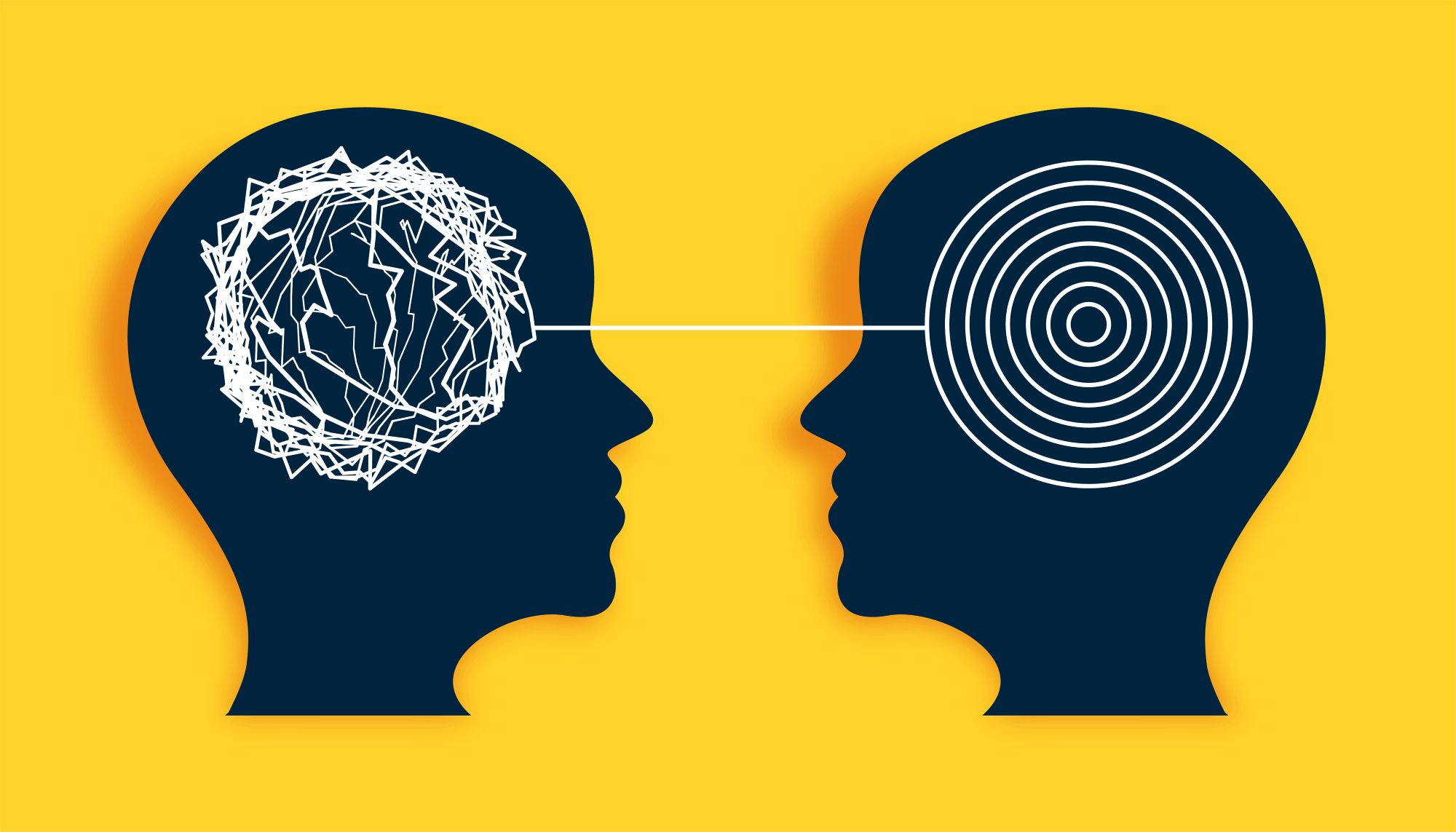
The cost of constantly focusing on the negative
This isn’t just about “feeling bad.” When your brain is stuck in negative-focus mode, it affects everything:
You can’t make decisions. Every choice feels like a potential disaster. You overthink until you’re exhausted and end up doing nothing, which makes you feel worse about yourself.
Your relationships suffer. You read criticism into neutral comments. You brace for conflict that isn’t actually coming. You miss the ways people show they care because you’re too busy looking for signs they don’t.
You talk yourself out of opportunities before you even try. Why apply for that job when you’ll probably just get rejected? Why start that project when you’ll probably fail? Your brain pre-rejects you so nothing else gets the chance to.
You never feel like you’re making progress. Even when you are. You’re so focused on what’s still wrong that you don’t notice what’s changed, what’s better, what you’ve already figured out.
You’re constantly exhausted. Maintaining a negative worldview takes massive mental energy. Your nervous system stays elevated. You never actually relax because there’s always another problem to worry about.
And here’s the thing that nobody talks about: Your brain gets really, really good at this. The more you focus on the negative, the better your brain becomes at automatically finding it. You’re building a skill you don’t want.
How to interrupt self defeating thoughts in real time
Every single time you catch yourself having a self defeating thought or focusing on what’s wrong, immediately ask: “What’s the evidence against this?”
Not to dismiss the thought. Not to pretend the problem doesn’t exist. To complete the picture your brain is only showing you part of. This technique directly challenges cognitive distortions – the thought patterns that make negative thinking feel more true than it actually is.
Your brain says: “I’m not making any progress.”
You ask: “What’s the evidence against that?”
Then you get specific. Painfully, granularly specific.
Maybe three months ago you couldn’t set a boundary without apologizing five times and then lying awake worrying about it. Last week you said no and didn’t even follow up to explain yourself.
Maybe you used to need two full days to recover from difficult conversations. Yesterday you had one and went to dinner with friends that same night.
Maybe you used to believe every critical thought that popped into your head without question. Now you sometimes catch yourself and think “wait, is that actually true?”
See what’s happening here? You’re not denying the struggle. You’re not pretending you’ve “arrived” or that everything is perfect. You’re just insisting your brain look at ALL the data, not just the data that confirms you’re failing.
What this looks like in real life
Let’s say you’re lying in bed and your brain is doing its nightly greatest-hits compilation of everything you did wrong today.
Old pattern: “I was so unproductive today. I barely got anything done. I’m never going to catch up. Why am I even like this?”
New pattern: “Okay brain, I see you’re doing the thing where you focus on what didn’t happen. What’s the evidence against ‘I barely got anything done’?”
Then you actually think about it:
- You caught yourself people-pleasing and actually said what you meant instead of what you thought they wanted to hear
- You noticed yourself starting to compare yourself to someone on Instagram and closed the app instead of spiraling
- You set a boundary with your mom without over-explaining or apologizing three times after
- You had a hard moment and called a friend instead of isolating like you normally do
- You didn’t apologize for something that wasn’t your fault
- You recognized a negative thought pattern and didn’t just believe it automatically
Was the day perfect? No. Did you get everything done you wanted to? Also no. But “barely got anything done” isn’t actually accurate when you look at the full picture.
This isn’t about making yourself feel better with fake positivity. This is about making yourself see clearly. About not letting your brain’s negativity bias run the show unchecked.

How to actually notice small wins (when your brain keeps dismissing them)
Your brain has a fun little trick where it takes anything good and immediately minimizes it.
You handled a difficult situation well? “Yeah but anyone could have done that.”
You made progress on something? “Yeah but I should have done it sooner.”
You accomplished something you’re proud of? “Yeah but it’s not that big of a deal.”
Your brain does this because acknowledging wins feels dangerous. If you admit things are going well, what if you get complacent? What if you stop trying? What if acknowledging progress means you’re somehow letting yourself off the hook?
So here’s what you need to understand: Small wins count even when your brain says they don’t.
A small win is:
- Noticing a self defeating thought before you spiral for three hours instead of three days
- Responding to a text instead of avoiding it for a week
- Making the phone call you’ve been dreading
- Getting out of bed when your brain wanted to hide under the covers
- Choosing to eat something instead of skipping meals when you’re stressed
- Not checking your phone first thing in the morning even though the urge was strong
None of these feel like wins in the moment. They feel like barely keeping your head above water. But that’s what progress actually looks like when you’re in it.
The work is training your brain to recognize these as wins instead of dismissing them as “the bare minimum” or “what you should be doing anyway.”
Why your brain will fight you on this
When you start challenging your self defeating thoughts, your brain is going to resist. Hard.
It’ll tell you:
- “This is just denial”
- “You’re being unrealistic”
- “There IS no evidence against this thought, you really aren’t making progress”
- “This is toxic positivity”
That resistance? That’s actually proof the new neural pathway is forming.
Your brain only fights to protect patterns it thinks are keeping you safe. The negativity bias has been running your mental show for years, maybe decades. It doesn’t want to be replaced.
The fact that it’s pushing back means you’re threatening the old pattern’s dominance. You’re creating a new option. And that scares the part of your brain that’s been in charge.
Here’s what you need to know: This discomfort means it’s working.
The positive thoughts are supposed to feel weak at first. You’ve been strengthening the negative pathways every single day for years. The positive ones are just getting started. They’re like a muscle you’ve never used before.
Keep going anyway. Not perfectly. Not aggressively. Just consistently.

The truth about changing a negative mindset
Changing your mindset isn’t a single decision. It’s not about waking up one day and deciding to “be more positive.”
It’s about interrupting the automatic negative thoughts hundreds of times until a new automatic pattern forms.
It’s about catching yourself mid-spiral and asking “what’s the evidence against this?” even when it feels ridiculous.
It’s about noticing small wins even when your brain immediately wants to dismiss them as “not counting.”
It’s about doing this over and over and over until your brain gets the message: We’re looking at the whole picture now, not just the part where everything is wrong.
This takes time. Your brain didn’t learn to focus on the negative overnight, and it’s not going to unlearn it overnight either.
You’re not trying to become relentlessly positive. You’re trying to stop being relentlessly negative. There’s a huge difference.
Start here, tonight
Before you go to sleep tonight, your brain is going to start its usual review of everything that went wrong today.
When it does, say this out loud: “What’s the evidence against that?” Then actually answer it. With specifics. With real moments from today.
You’re not trying to convince yourself everything is perfect. You’re trying to see yourself accurately. You’re trying to notice the progress your brain has been trained to ignore.
That’s it. That’s the whole practice.
Do this enough times and something shifts. Your brain starts automatically scanning for this evidence because it knows you’re going to ask for it.
Right now, you’ve been strengthening the “notice what’s wrong” pathway every single day, multiple times a day, for probably years.
Time to build a different one.
You don’t need to become an optimist. You don’t need to pretend problems don’t exist. You just need to become someone who sees the whole story, not just the part where you’re failing.
The progress is already there. Your brain just hasn’t been looking for it.
Now it will.
Want the complete system for rewiring negative thought patterns? My Mindset and motivation bundle gives you four 30-day workbooks with the exact daily practices to transform how your brain processes challenges, builds resilience, and creates lasting change. Not just new thoughts – new automatic patterns that actually stick.