
What still feels like you? How to reconnect with yourself gently
Some weeks just happen to you.
The alarm goes off, emails pile up, someone needs an answer, and dinner has to exist somehow. By Sunday night, you may have been busy for seven days without spending much time asking yourself how you feel about any of it.
If that sounds familiar, you might be wondering how to reconnect with yourself.
A good place to start is with what’s already there. Notice the things that interest you, the choices that matter to you, and the moments when you feel comfortable being yourself. Then make a little more room for one of them.
There’s no need to answer every big question about your life first.
In fact, “Who am I?” can be a difficult place to begin. It’s such a large question that your mind might go blank as soon as you ask it. And when no clear answer appears, it’s easy to assume you’ve lost something and need to work out how to find yourself again.
So let’s try a smaller question instead:
What still feels like me?
Maybe it’s the way you laugh with a certain friend. The subjects you keep reading about. The relief you feel when you finally say no to something you didn’t want to do.
These things might seem ordinary. But they can tell you something worth knowing.
Reconnecting with yourself doesn’t mean going back
When you think about feeling like yourself again, you might picture an older version of you.
Maybe you miss the person who had more time for hobbies. Or the one who made plans without thinking about ten other responsibilities first. Perhaps you look at old photos and remember feeling lighter, more certain, or more spontaneous.
It makes sense to miss parts of an earlier chapter. But reconnecting with yourself doesn’t have to mean going back to it.
A lot has happened since then. Life may look different now, and some of the things you once loved may not fit in the same way anymore. And you’re allowed to change your mind about what you enjoy and what matters to you.
The question is less “How do I become who I was?” and more “Who am I getting to know now?”
Imagine someone who has spent years being the person everyone counts on. She remembers birthdays, organizes family plans, answers messages, and makes sure things get done.
Then a free afternoon appears, and she has no idea what she wants to do with it.
That doesn’t mean she has no interests or preferences. She may simply be used to considering everyone else’s first.
Her answer might be as simple as sitting outside with a coffee and leaving her phone inside. It might be visiting a bookshop, calling a friend, or doing absolutely nothing for a while.
The choice itself doesn’t need to be impressive. What matters is that she paused long enough to ask.
That pause can be an act of self-love. It means treating your own preferences as something worth listening to, rather than something that can always wait.
Take a moment to reflect:
- Is there an older version of myself I feel pressure to return to?
- What might I need or enjoy in this chapter of my life?
No need to answer both. Even noticing which question brings something up is a place to begin.

Look for the moments when you feel more like yourself
We often think about identity through big decisions: our work, relationships, goals, or where we live. But the feeling of being yourself can show up in much smaller moments.
Maybe it shows up when you’re:
- Telling a story without worrying about whether it sounds interesting.
- Spending a slow morning making breakfast.
- Getting absorbed in a book or conversation.
- Saying what you really think to someone you trust.
- Turning down a plan and feeling relieved.
- Making something without caring whether anyone else sees it.
There may not be a big realization attached to these moments. Sometimes they simply feel comfortable. Less self-monitoring. More interest in what you’re doing. A little space to think.
At the same time, feeling like yourself won’t always mean feeling calm. Some people feel most like themselves when they’re laughing loudly, trying something new, or speaking up about an issue they care about.
The clue isn’t whether the moment looks peaceful from the outside. It’s whether something about it feels honest or meaningful to you.
Try this: collect one moment
Think back over the past week and finish this sentence:
I felt a little more like myself when I was ________.
Maybe your answer is something like:
- “Walking home without checking my phone.”
- “Laughing at my sister’s voice message.”
- “Looking through old cookbooks.”
- “Telling my friend I needed to reschedule.”
If nothing comes to mind, that’s okay. Keep the question nearby and notice what comes up over the next few days. This isn’t homework you can fail.
Three clues that can help you reconnect with yourself
Once you begin paying attention, it can help to look at what your moments have in common.
Maybe it’s an interest you keep returning to, a value behind a choice, or a place where you feel more at ease. These are clues, not rules. And what they mean is yours to decide.
1. Interests that keep drawing you back
Some interests are easy to name. Maybe you already know you love reading, dancing, gardening, or trying new food.
Others are quieter. Maybe you keep saving photos of colorful rooms, or linger over a certain section in the bookshop. Maybe you click on videos about a subject you’ve never studied, or keep asking the same kinds of questions in conversation.
It’s easy to dismiss these things if you don’t have time to pursue them properly. But an interest doesn’t need to become a project to deserve your attention.
Maybe you have a folder full of recipes you’ve never made. That doesn’t necessarily mean you need to cook more. Perhaps you enjoy learning about food. Perhaps you like imagining meals for people you love. Or perhaps collecting ideas is enjoyable on its own.
It’s fine to get curious without deciding what the interest says about your future.
And you’re allowed to enjoy something without being good at it. No need to share it, make money from it, or turn it into a goal.
Questions to explore:
- What do I keep reading about, saving, or talking about?
- What did I enjoy recently without caring whether I was good at it?
- Is there something I’m curious about but keep telling myself is impractical?
If an answer comes up, you don’t have to act on it immediately. Write it down. Let it be something you know about yourself.
2. Values that show up in your choices
Values can sound like something you’re supposed to choose from a list and display on your wall.
They can be simpler than that. A value is something that matters to you and influences how you want to live. It might be honesty, kindness, creativity, fairness, independence, connection, or something else entirely.
If you’re not sure what your values are, look at a recent choice that felt meaningful.
Perhaps you checked in on a friend who had been quiet. Maybe you told the truth during an uncomfortable conversation. Or you chose to spend a weekend at home because you needed rest, even though you worried someone might be disappointed.
Ask yourself what mattered about that choice.
Checking in on a friend might reflect how much you value connection. Speaking honestly might show that openness matters to you. Staying home might reflect a growing willingness to respect your own limits.
There isn’t always one correct answer. The same choice can reflect several things at once. If you’d like to explore this further, Greater Good Magazine shares a step-by-step exercise for identifying your values and putting them into practice.
It can also be helpful to notice when something feels off. If you agree to a plan and immediately wish you hadn’t, pause before judging yourself. The feeling might be pointing to a need or value you haven’t considered yet. Or it might simply mean the timing isn’t right.
No need to solve the feeling immediately. Start by asking what it might be trying to tell you.
Questions to explore:
- What’s one choice I’ve felt good about lately? Why?
- When have I felt uncomfortable agreeing to something?
- What matters to me, even when nobody else notices?
Values can sometimes pull you in different directions. Maybe you care about being there for a friend and also need an evening to yourself. Reconnecting with yourself includes making space for both truths, rather than pretending one doesn’t exist.
3. Moments when you feel at ease
Think about the places and people that leave you feeling less pressure to perform.
Maybe there’s a friend you don’t tidy the house for. Someone you can sit beside in silence without worrying that you need to make conversation. Or perhaps you feel most comfortable when you have time alone and nobody expects an immediate response from you.
These moments can offer clues about what helps you feel supported.
For one person, ease might look like a quiet walk. For another, it might be a noisy dinner with people who make them laugh. Neither answer is better.
It’s also worth noticing where you feel like you’re working hard to fit in. Perhaps you rehearse what you’ll say around certain people, agree when you don’t mean to, or stay busy because stopping feels uncomfortable.
Noticing this doesn’t mean you have to make a sudden decision about a relationship or situation. Sometimes you need more information. Sometimes a setting asks something of you that isn’t your favorite but is still important to you.
The first step is simply to notice where you feel comfortable and where you feel pressure.
Questions to explore:
- When do I feel comfortable without trying to be different?
- Who can I be honest with, even about small things?
- Where do I feel pressure to adjust myself, and what does that feel like?
What if you don’t know what feels like you?
Maybe you’ve tried a few of these questions and your mind is still blank.
That can happen, especially if you’ve spent a long time focused on what needs to get done or what other people need from you. When you’re used to asking, “What should I do?” it can take practice to ask, “What would I like?”
There’s no need to come up with a meaningful answer on the spot. Start with what you can notice today.
Try asking:
- What felt a little easier today?
- What caught my attention?
- What did I enjoy, even briefly?
- What am I curious enough to try once?
- What do I know I don’t want right now?
“The coffee was good” is a valid answer. So is “I liked having the window open” or “I didn’t want to rush that conversation.”
Sometimes an old interest no longer fits. Perhaps you used to love painting, but when you try it now, you feel bored or frustrated.
That doesn’t mean you’ve failed to reconnect with yourself. It means you’ve learned something about what feels right now. Put the paints away, try again another time, or explore something completely different.
And honestly? It’s okay to be surprised by your own answers.
When making space for yourself brings up guilt
Noticing what you want can be one thing. Acting on it can feel much harder.
If you’re used to taking care of other people, even a small choice for yourself might bring up guilt. Sitting down to read reminds you of the laundry. A walk turns into wondering whether you should be answering messages. Declining a plan turns into an evening of wondering whether someone is upset.
Guilt doesn’t automatically mean you’ve done something wrong. Sometimes it shows up because you’re doing something unfamiliar.
That doesn’t make every choice simple. There may be responsibilities that need your attention, and other people to consider when you make plans. But your preferences deserve consideration, too.
Try replacing “Can I justify this?” with a more useful question: “What would making a little room for myself look like in the life I have right now?”
The answer might be ten quiet minutes before bed. It might be asking someone to share a task. It could be choosing the music in the car or being honest that you don’t have the energy for another commitment.
What you need doesn’t have to benefit someone else to matter.
How to reconnect with yourself this week
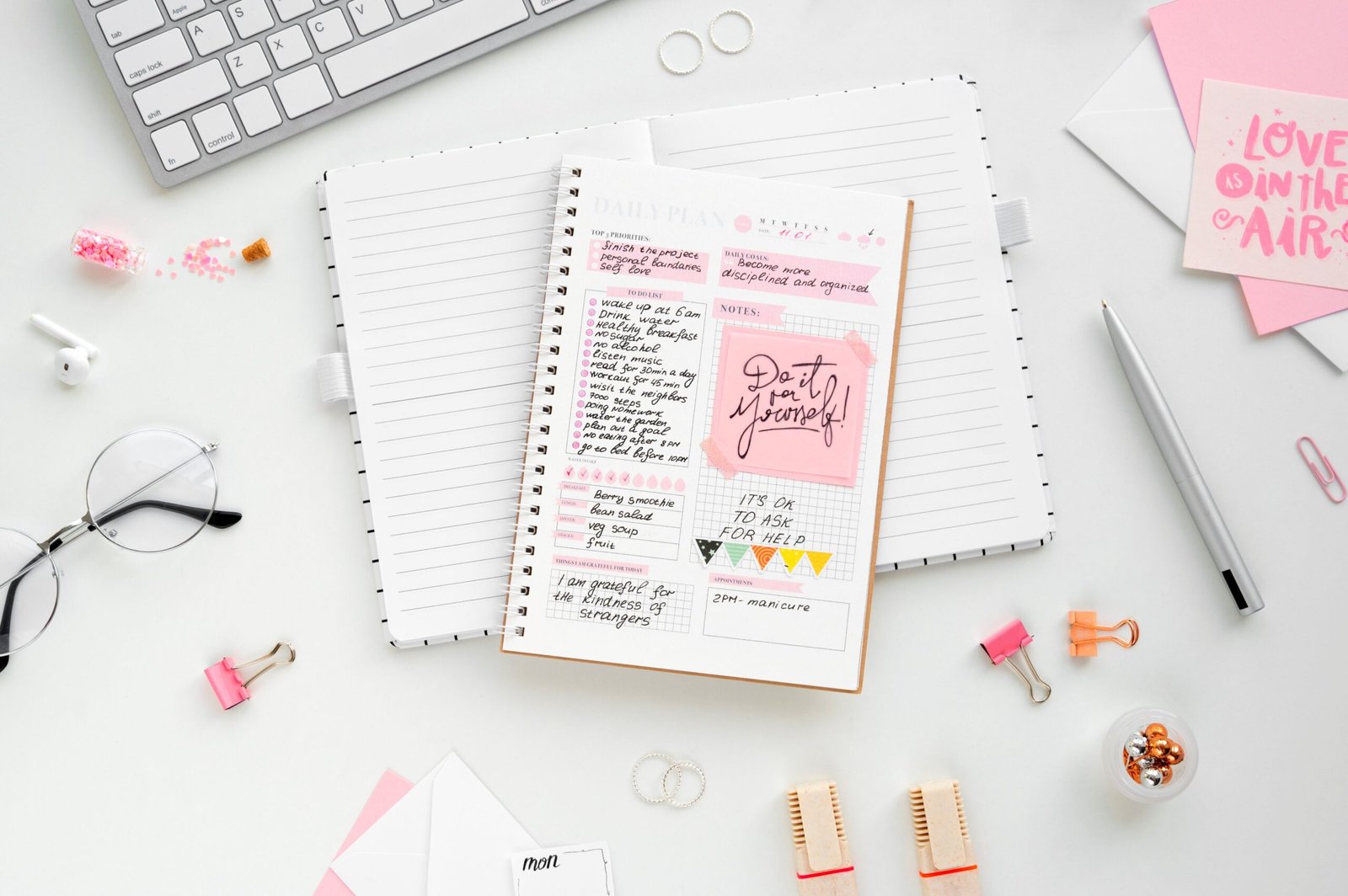
No need to act on every insight at once. Pick one thing you noticed and give it a little space this week.
A few ways that might look:
- If you noticed an interest: Spend ten minutes exploring it. Read a few pages, look up a class, make something, or revisit an idea you saved.
- If you noticed a value: Make one choice that reflects it. That might mean sending an honest message, following through on a promise, or giving yourself permission to rest.
- If you noticed a moment of ease: See whether you can make room for it again. Take a short walk, have a quiet coffee, or spend time with someone you feel comfortable around.
Keep the choice small enough to fit your actual week, not the week you wish you had.
An example of putting it together
Let’s say you notice that you feel good when you’re around plants. Maybe you like looking at them in shop windows, and you miss the little garden you once had.
One option is deciding this means you need to become someone who gardens every weekend. Or you could start smaller.
Perhaps you spend a few minutes tending to a plant you already own. Maybe you visit a local garden. Or you sit outside and pay attention to what’s growing nearby.
Afterward, ask yourself: Did I enjoy that? Would I like more of it?
If the answer is yes, you have something to build on. If the answer is no, you’ve still learned something. Maybe it turns out you enjoy the quiet time, or being outside, rather than gardening itself.
The point is to make a choice, notice how it feels, and stay curious about what comes next.
Journal prompts to reconnect with yourself
If writing helps you think, these journal prompts for self-discovery work best one or two at a time. Answer in a notebook, type a few lines on your phone, or think about them during a walk.
There’s no need to write a full page or come up with an answer that sounds wise.
- When did I last feel comfortable being myself? What was happening?
- What do I enjoy that I rarely make time for?
- What do I keep coming back to, even when I have no goal attached to it?
- Which recent choice felt right to me? What mattered about it?
- Where do I feel pressure to act differently from how I feel?
- What have I assumed I should enjoy, but don’t actually like?
- What has changed about me in the past few years?
- What do I need more of in this chapter of my life?
- What would I like to try without worrying about being good at it?
- What’s one small choice I can make for myself this week?
If a question feels too big, make it smaller. Instead of asking what you need more of in your life, ask what you might need more of today.
Getting to know yourself again
Learning how to reconnect with yourself doesn’t require one fixed answer about who you are. Interests change. Priorities shift. Something that felt right a few years ago might not feel right anymore.
That doesn’t mean you’re doing this wrong. It means you can keep paying attention.
Notice the conversation you didn’t want to end. The subject you stayed curious about. The relief of being honest about what you needed. These moments may not explain everything, but they can help you understand a little more about yourself.
This week, choose one thing that feels meaningful and give it a little room. Then see what you notice.